
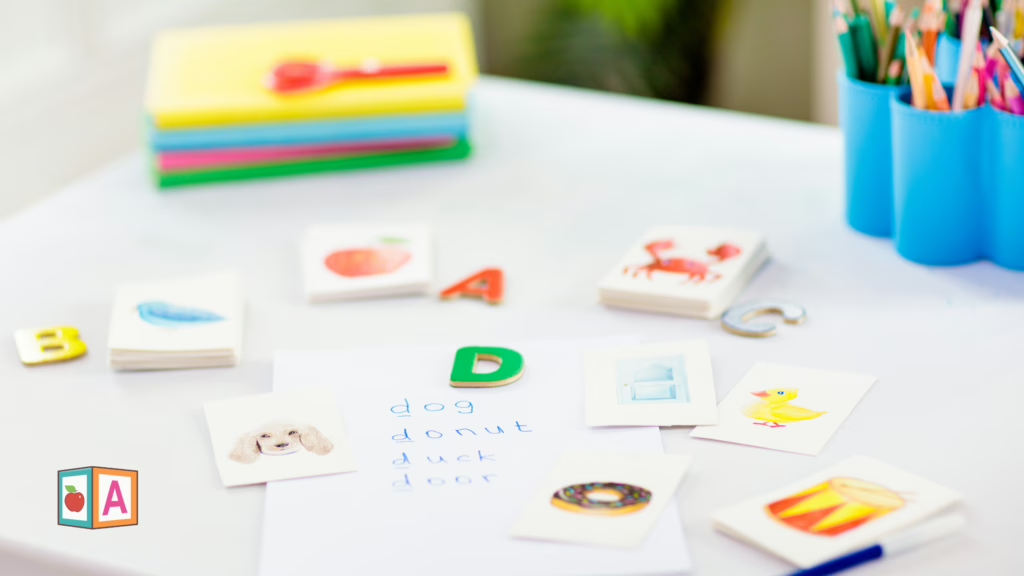
Teaching your child to read can feel overwhelming at first. I’ve been there too. I remember sitting with my child, trying to explain sounds, and within minutes… he just wanted to run away and play.
If you’re feeling the same, don’t worry.
The good news is, you don’t need long lessons or expensive tools. Instead, you just need a simple daily phonics routine that actually works.
Let me share what worked for me, and these are the quick and easy ways which you can easily balance with your daily routine, whether you’re a working mom or a homemaker 🙂
Let me break it down for the better understanding, and you can have a quick look.
Why Phonics Is Important for 5-Year-Olds
Before we jump in, let’s quickly understand this. Phonics helps your child:- Recognize letter sounds
- Blend sounds into words
- Build early reading confidence
My Simple Daily Phonics Routine (10–15 Minutes)
You don’t need hours to practice phonics or reading with your kids.In fact, 10–15 minutes a day is more than enough if you stay consistent. Here’s what I followed at home:1. Start with Letter Sounds (2–3 minutes)
First, quickly revise 2–3 sounds daily. For example:- A → “a” (apple)
- B → “b” (ball)
2. Practice Blending (3–5 minutes)
Next, help your child join sounds together. Because once they get to know the sounds well, it’s perfect time to jump to blending sounds. Example:- C + A + T → CAT
- B + A + T → BAT
3. Try a Quick Activity (5 minutes)
After practising the phonic sounds and blending phase, now comes the fun part. Instead of only using worksheets, try simple games:- Say a word and ask your child to break it into sounds
- Use flashcards
- Play “find the sound” around the house
4. Read Simple Words (2–3 minutes)
Finally, let your child try reading small words like:- cat
- dog
- sun
- bin
Helpful Video (Watch Together)
Here’s a simple phonics video that you can watch with your child: Watching together actually makes learning feel more like playtime than study time.Quick Tips That Made a Big Difference
Honestly, these small things helped me the most:- Keep sessions short and fun
- Don’t force your child if they feel tired
- Repeat daily (consistency really matters)
- Celebrate even tiny progress 🎉
Free Practice Idea
To make things easier and sorted, you can also use:- CVC word worksheets
- Alphabet sound charts
- Simple reading printables